🔥 World Cup 2026 Itinerary PDF | Download Now🔥

15 Top Things to Do in Fort Worth Texas (2026 Travel Guide)
Planning a trip to Texas often leads to one common problem: you search for Dallas, but suddenly Fort Worth keeps showing up—and now you’re unsure what’s actually worth your time. If you’re looking for the top things to do in Fort Worth, this guide cuts through the noise and gives you a clear, structured plan.
Located just west of Dallas, Fort Worth offers a completely different experience—more authentic, more cultural, and deeply rooted in Texas heritage. From the iconic Stockyards to world-class museums and lively downtown districts, this city is not just an add-on—it’s a destination in its own right.
In this guide, you’ll discover exactly what to do, where to go, and how to plan your visit efficiently—whether you’re spending a full day here or adding it to your broader Things to Do in Dallas and Dallas Itinerary plan.
Key Takeaways
- Fort Worth is the cultural and western side of the Dallas–Fort Worth metroplex
- The Stockyards is the #1 must-visit experience
- You can explore the best of Fort Worth in one day
- It’s one of the easiest and most rewarding day trips from Dallas
- A mix of history, art, and entertainment makes it ideal for all traveler types
Table of Contents
Where is Fort Worth in Texas?
Fort Worth is a major city in North Texas, located about 30–45 minutes west of Dallas. It is part of the Dallas–Fort Worth (DFW) metroplex, one of the largest and most visited urban regions in the United States.
Unlike Dallas, which is known for its modern skyline and business districts, Fort Worth offers a more traditional and cultural Texas experience. The two cities complement each other: Dallas delivers urban energy, while Fort Worth showcases western heritage, cowboy culture, and a slower, more authentic atmosphere.
Because of this proximity, Fort Worth is one of the most popular day trips from Dallas. Visitors can easily travel between the two cities by car, train (Trinity Railway Express), or guided tours, making it simple to include Fort Worth in a broader Dallas Itinerary or while exploring the full range of Things to Do in Dallas.
What are the top things to do in Fort Worth Texas?
The top things to do in Fort Worth combine western heritage, cultural attractions, and walkable districts that are easy to explore in one day. Here are the must-visit experiences:
- Explore the Fort Worth Stockyards National Historic District
- Watch the daily cattle drive on Exchange Avenue
- Walk around Sundance Square in downtown Fort Worth
- Visit the Kimbell Art Museum and the Cultural District
- Discover the Fort Worth Water Gardens
- Experience live music at Billy Bob’s Texas
- Walk or bike along the Trinity Trails
- Visit the Fort Worth Zoo
If you want to experience the most iconic side of the city, start with the Stockyards—this is where Fort Worth’s identity is strongest.
Consider booking a guided Stockyards tour or a rodeo experience to make the visit more structured and immersive, especially if you’re on a tight schedule.
15 Top Things to Do in Fort Worth
1. Fort Worth Stockyards is the heart of Texas heritage
The Fort Worth Stockyards is the most iconic attraction in the city, offering a preserved look into Texas’s cowboy and cattle-driving history. Wooden boardwalks, historic buildings, and western-style shops create an immersive Old West atmosphere that feels authentic rather than staged.
This is the best place for first-time visitors who want to experience “real Texas” culture. Plan to spend at least 2–3 hours here exploring, shopping, and watching live demonstrations.
Tip: Arrive in the morning or late afternoon to avoid crowds and position yourself well for the cattle drive.
2. Watch the daily cattle drive at Exchange Avenue
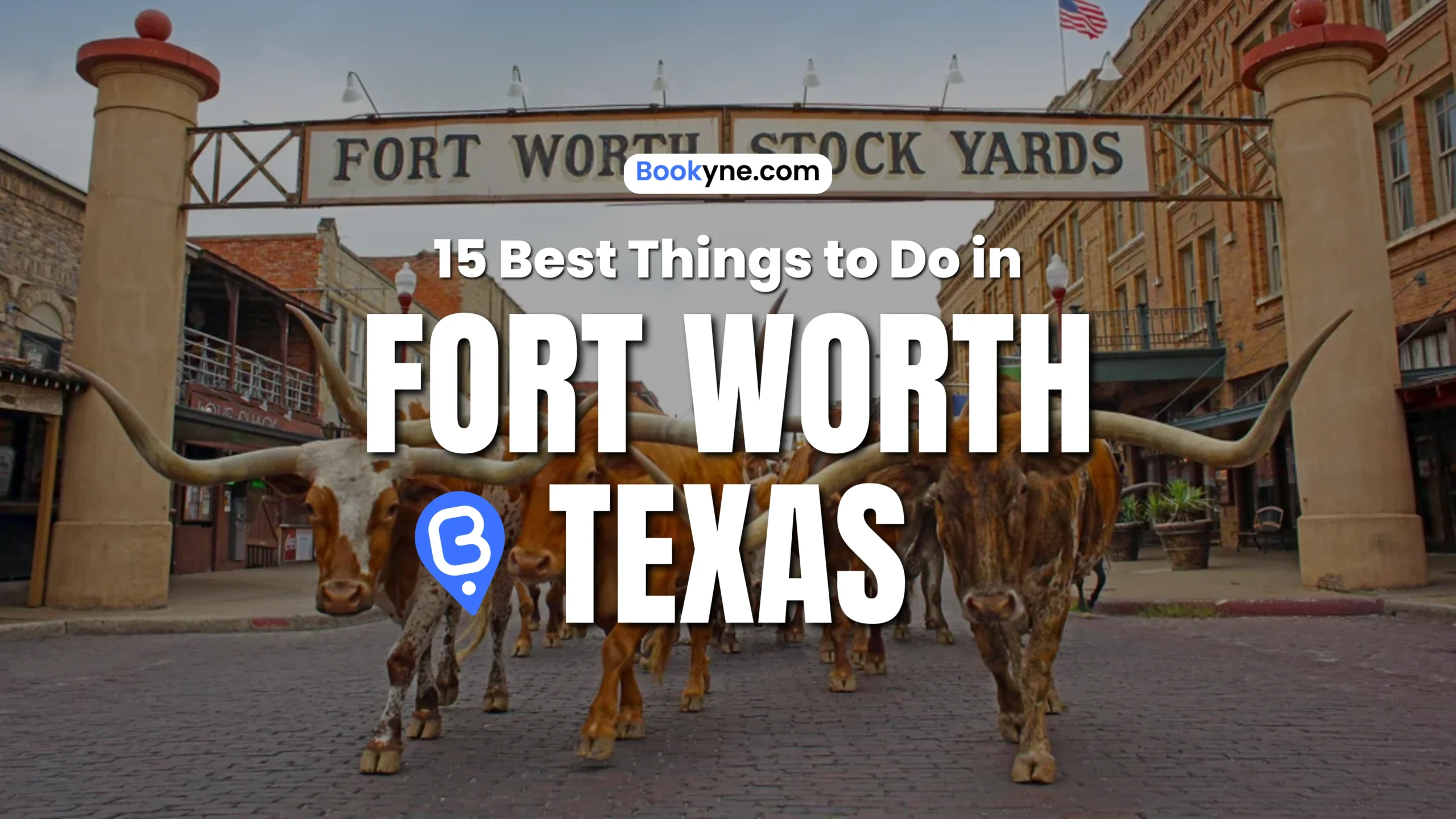
The cattle drive is one of the most unique free experiences in Fort Worth. Twice a day, real Texas longhorn cattle are driven down Exchange Avenue by cowhands, recreating a historic tradition that dates back to the 19th century.
It’s a short experience (around 10–15 minutes), but it’s highly memorable and perfect for photos. This is especially appealing for families and first-time visitors looking for something distinctly Texan.
Tip: Show up at least 20 minutes early to secure a good viewing spot along the street.
3. Explore Sundance Square downtown
Sundance Square is the cultural and social hub of downtown Fort Worth. The area features restaurants, shops, live music, and open plazas that make it ideal for a relaxed walk or an evening outing.
It’s a strong contrast to the Stockyards, offering a more modern and polished city experience. Couples and solo travelers will find this area particularly enjoyable for dining and nightlife.
Tip: Visit in the evening when the area is more lively and the lighting enhances the atmosphere.
4. Visit the Kimbell Art Museum
The Kimbell Art Museum is one of the most respected small museums in the United States, known for its curated collection of European masterpieces and its iconic architecture.
Even if you’re not deeply interested in art, the building itself and the quality of exhibits make it worth visiting. This stop is ideal for culture-focused travelers and couples.
Tip: Combine this visit with other nearby museums in the Cultural District to maximize your time.
5. Discover the Modern Art Museum of Fort Worth
Located near the Kimbell, the Modern Art Museum offers a completely different experience, focusing on contemporary works in a striking minimalist building surrounded by water features.
It’s perfect for visitors interested in modern design, photography, and conceptual art. The peaceful setting also makes it a good break from busier tourist areas.
Tip: Visit late morning when it’s quieter and easier to fully enjoy the space.
6. Relax at the Fort Worth Water Gardens
The Fort Worth Water Gardens is a unique urban park featuring dramatic water structures, including the famous active pool where water cascades down steep steps.
It’s a quick but worthwhile stop for photography and a short break while exploring downtown. Travelers who enjoy architecture and unusual landmarks will appreciate this spot.
Tip: Wear comfortable shoes—the steps around the active pool can be steep and slippery.
7. Experience Billy Bob’s Texas
Billy Bob’s Texas is known as the world’s largest honky-tonk, combining live country music, dancing, and even indoor rodeo events in one massive venue.
This is the place to experience Fort Worth’s nightlife in a truly Texan way. It’s especially suited for groups and travelers looking for a lively evening.
Tip: Check the event schedule in advance to catch live concerts or rodeo shows.
8. Walk or bike the Trinity Trails
The Trinity Trails system offers over 100 miles of paths along the Trinity River, making it ideal for walking, biking, or simply relaxing outdoors.
This is a great option if you want to balance cultural visits with some nature. It’s popular with locals, which gives you a more authentic feel of the city.
Tip: Rent a bike to cover more distance and explore multiple sections of the trail efficiently.
9. Visit the Fort Worth Zoo
The Fort Worth Zoo is consistently ranked as one of the best zoos in the United States, with well-designed habitats and a wide variety of animals.
It’s a must-visit for families and a strong option if you’re traveling with kids. Plan at least half a day to fully explore the exhibits.
Tip: Arrive early in the morning when animals are more active and crowds are lower.
10. Explore the Amon Carter Museum of American Art
Amon Carter museum focuses on American art, including paintings, photography, and sculptures that reflect the country’s cultural history.
It’s quieter than other attractions, making it ideal for visitors looking for a more relaxed and educational experience.
Tip: Combine it with nearby museums for a complete Cultural District visit.
11. Tour the Texas Cowboy Hall of Fame
Located in the Stockyards, this Texas Cowboy Hall of Fame celebrates the individuals who shaped Texas’s cowboy and rodeo culture.
It’s a short visit but adds depth to your understanding of the region’s history. This is particularly interesting for visitors already exploring the Stockyards.
Tip: Visit right after the cattle drive to keep your itinerary efficient.
12. Discover the Near Southside district
Near Southside is one of Fort Worth’s most dynamic neighborhoods, known for its local restaurants, coffee shops, and creative vibe.
It’s less touristy than downtown, which makes it appealing for travelers looking for a more local experience.
Tip: Visit for lunch or brunch to enjoy the area at its best.
13. Visit the Fort Worth Botanic Garden
The Fort Worth Botanic Garden offers peaceful landscapes, themed gardens, and walking paths that provide a break from urban exploration.
It’s ideal for couples and anyone looking to slow down and enjoy nature.
Tip: Plan your visit in spring or fall when the gardens are at their peak.
14. Catch a rodeo at Cowtown Coliseum
The Cowtown Coliseum hosts regular rodeo events that showcase traditional Texas skills like bull riding and roping.
This is one of the most authentic experiences you can have in Fort Worth and a strong complement to visiting the Stockyards.
Tip: Evening shows tend to have the best atmosphere and energy.
15. Explore TCU and the surrounding area
Texas Christian University (TCU) offers a beautiful campus with a relaxed environment and nearby dining spots.
It’s a quieter stop that works well if you want to escape tourist-heavy areas and see a different side of the city.
Tip: Combine this with a visit to the nearby Botanic Garden for a balanced afternoon.
How to plan a Fort Worth day trip from Dallas
A well-structured day trip is the most efficient way to experience top things to do in Fort Worth, especially if you’re based in Dallas. The city is organized into three main areas—Stockyards, Cultural District, and Downtown—which makes it easy to cover the highlights without wasting time.
| Time | Activity | Area | Notes |
|---|---|---|---|
| Morning | Stockyards + cattle drive | Stockyards | Arrive early for best views |
| Midday | Museums (Kimbell, Modern Art) | Cultural District | Walkable and time-efficient |
| Afternoon | Sundance Square + Water Gardens | Downtown | Food, photos, relaxed pace |
| Evening | Billy Bob’s Texas or rodeo | Stockyards | Best for nightlife and energy |
Start your day at the Stockyards to experience the cattle drive and explore the historic district before it gets crowded. Then move to the Cultural District, where major museums are located within walking distance of each other.
In the afternoon, head to downtown Fort Worth to walk around Sundance Square and visit the Water Gardens. If you still have energy, end your day back in the Stockyards for live music or a rodeo.
This structure allows you to maximize your time while avoiding unnecessary back-and-forth movement—making it a perfect addition to your Dallas Itinerary.
Fort Worth vs Dallas: Which should you visit?
If you’re deciding between Fort Worth and Dallas, the answer depends on the type of experience you want. Both cities are part of the same metroplex, but they offer very different atmospheres.
| Feature | Fort Worth | Dallas |
|---|---|---|
| Vibe | Western, relaxed | Modern, fast-paced |
| Experience | Cowboy culture, heritage | Urban lifestyle, skyline |
| Best for | History, culture, authenticity | Shopping, nightlife |
| Time needed | 1 day | 2–3 days |
| Must-see area | Stockyards | Downtown, Uptown |
Fort Worth is the better choice if you want a more authentic Texas experience, with rodeos, cattle drives, and historic districts. It feels more local, less commercial, and easier to navigate in a short amount of time.
Dallas, on the other hand, is a larger and more diverse city with a stronger focus on modern attractions, restaurants, and entertainment. It requires more time to fully explore.
Best time to visit Fort Worth
The best time to visit Fort Worth is during spring (March to May) and fall (September to November), when temperatures are mild and the city is more comfortable to explore on foot. These seasons are ideal for walking through the Stockyards, visiting outdoor attractions, and enjoying events without the intensity of summer heat.
Summer (June to August) can be extremely hot, with temperatures often exceeding 35°C (95°F). While attractions remain open, outdoor activities like the cattle drive or Trinity Trails are less enjoyable during peak afternoon hours. If visiting in summer, plan activities early in the morning or later in the evening.
Winter (December to February) is generally mild compared to other parts of the United States, making it a viable option for travel. You’ll also find fewer crowds, especially outside of holiday periods.
If your goal is to experience Fort Worth at its most vibrant, consider timing your visit around rodeos, cultural festivals, or major events in the Stockyards.
Conclusion
Fort Worth stands out as one of the most distinctive destinations in Texas, offering a blend of western heritage, cultural depth, and easy-to-navigate districts that make it ideal for a focused visit.
If you want to make the most of your visit, focus on experiences that go beyond simple sightseeing—guided tours, rodeos, and live events will give you a deeper connection to the city.
FAQs
What to do in Dallas Fort Worth?
In the Dallas–Fort Worth area, you can combine modern city experiences with authentic Texas culture. Visit Dallas for its skyline, shopping, and nightlife, then head to Fort Worth for the Stockyards, cattle drives, museums, and rodeos. A balanced plan includes 2–3 days in Dallas and 1 day in Fort Worth.
How far is Dallas to Fort Worth?
Dallas and Fort Worth are about 30 to 35 miles (48 to 56 km) apart. The drive typically takes 30 to 45 minutes, depending on traffic. You can also travel between the two cities using the Trinity Railway Express, which connects downtown Dallas to downtown Fort Worth in about an hour.
Is Fort Worth worth visiting?
Yes, Fort Worth is worth visiting, especially if you want a more authentic and cultural Texas experience. It offers a strong contrast to Dallas, with western heritage, historic districts, and a more relaxed atmosphere that can be fully explored in one day.
Can you visit Fort Worth in one day?
Yes, Fort Worth is ideal for a one-day visit. The main attractions are grouped into key areas—Stockyards, Cultural District, and Downtown—making it easy to plan a structured itinerary without wasting time on long distances or complex transportation.